
Overview
The Commission on Narcotic Drugs is a function commission of the Economic and Social Council. Established in 1946, it serves as the main drug policy-making body in the United Nations. CND works to combat the world drug problem through reducing both supply and demand. In this committee, delegates will address root causes of world drug trade and also methods of distribution through the topics of alternatives to illicit crop growing and combating the digital drug market.
Topic 1: Economically Sustainable Alternatives to Illicit Crop Growing
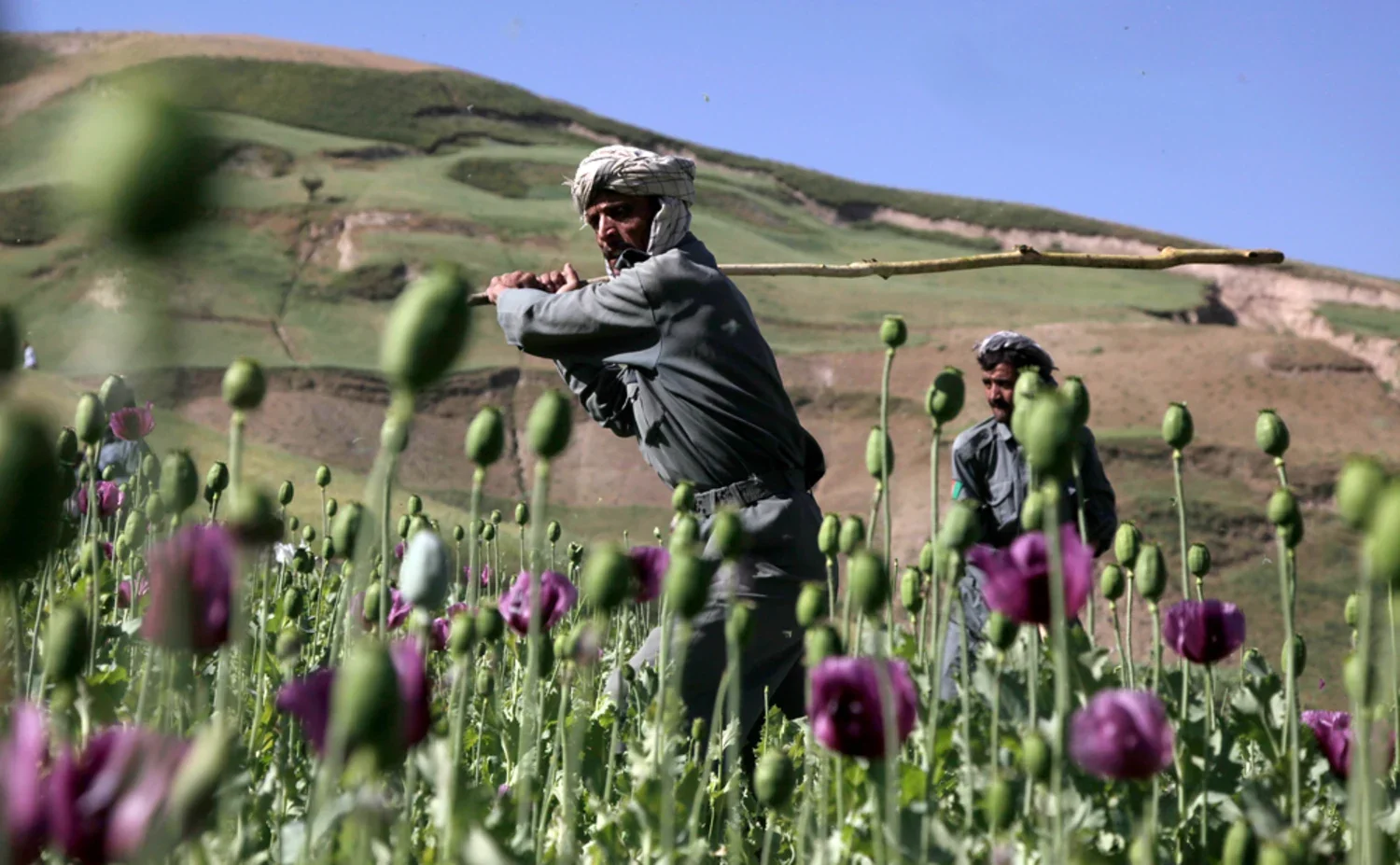
Preventing the cultivation of illicit crops remains incredibly challenging as many communities depend on the production of crops tied to the illegal drug trade for their livelihoods. In regions where legal economic opportunities are scarce, farmers turn to illicit cultivation thanks to its reliability and profitability compared to traditional agriculture. This dependence stands as one of the strongest barriers to reducing drug production. How can we ensure civilians will stop cultivating illicit crops that contribute to the drug market if doing so is their sole source of income? In this committee, delegates will examine how poverty, limited market access, and weak rural development sustain the cycle of illicit crop growing and explore solutions that promote legal alternatives that strengthen local economies to the same capacity and promote long-term development.
Topic 2: Combating the Digital Drug Market
The increased presence of online platforms and encrypted technology has made it easier than ever to buy and sell illegal substances across borders. Criminal networks now rely on the dark web, social media, and digital payment methods to expand their range of customers while avoiding traditional enforcement barriers. This shift has accelerated the global drug trade and made illicit substances more widespread particularly among younger populations. In this committee, delegates will find ways to combat rapidly advancing technology and strengthen enforcement.