
Overview
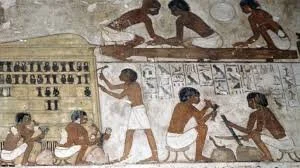
Before nineteenth century trade unions in Europe and the U.S., there were the artisans who worked on tombs in the Valley of the Kings for Egyptian pharaoh Ramesses III. These artisans lived together with their families in small villages, serving as stone masons, sculptors, carpenters, painters, and scribes. Each person specialized in their own role, and they passed down their expertise from father to son. In this committee, delegates will represent the striking artisans, tasked with managing the strike and ensuring access to resources. During this work stoppage, they must decide if the strike ought to continue, address scabs who cross the picket line, and control the narrative surrounding the strike. The committee will begin following General Assembly procedure, before proceeding into directive rounds, without backroom.
Topic: Deir El-Medina Strikes
Before nineteenth century trade unions in Europe and the U.S., there were the artisans who worked on tombs in the Valley of the Kings for Egyptian pharaoh Ramesses III. These artisans lived together with their families in small villages, serving as stone masons, sculptors, carpenters, painters, and scribes. Each person specialized in their own role, and they passed down their expertise from father to son. In this committee, delegates will represent the striking artisans, tasked with managing the strike and ensuring access to resources. During this work stoppage, they must decide if the strike ought to continue, address scabs who cross the picket line, and control the narrative surrounding the strike. The committee will begin following General Assembly procedure, before proceeding into directive rounds, without backroom.