
Overview
This committee operates as a Joint Crisis Committee (JCC), meaning your actions in this room are inextricably linked to the events unfolding in the opposing chamber. This high-stakes, multi-room simulation is designed to teach you the fundamentals of cross-committee strategy and real-time crisis management. The committee will function on a two-pad note system, where delegates will be given two legal notepads to write their crisis notes on, and the backroom takes one pad per cycle. Each of the two pads should be filled with notes addressed to one external contact, such as a mother, spouse, or powerful relative. The note cycle duration will vary depending on staffing and the speed of committee debate. On average, it will take 30 minutes to process one pad and collect the second. Crisis updates will take place interspersed with committee, likely coinciding with the note-collections.
Topic: Persian Empire (JCC)
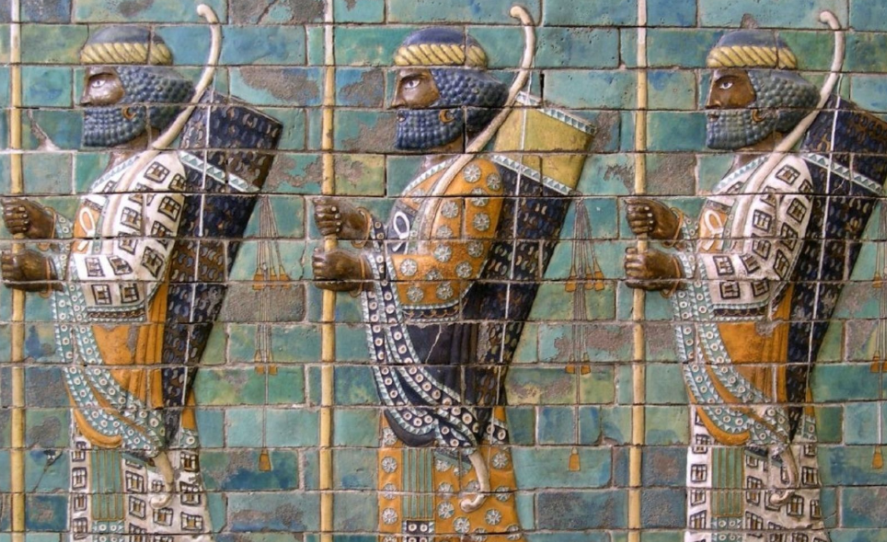
The mighty Persian Empire stretches from the Indus River to the Mediterranean Sea, ruling over one of the largest empires the world has ever seen. Governed through a vast network of satrapies and supported by immense wealth and manpower, the Persian state has long stood as the dominant power of the ancient world. Yet in the west, a collection of small and stubborn Greek city-states has begun to challenge Persian authority. Though divided among themselves, these cities have proven surprisingly resilient, defeating Persian forces. Among them, Athens has emerged as a particularly troublesome rival, using its naval power and growing alliances to expand its reach across the Aegean Sea.
Athens and its allies are growing stronger by the day, building fleets and alliances that threaten Persian influence in the region. The Great King must now decide how to deal with these defiant city-states: through conquest, diplomacy, or manipulation. Persian rulers have long relied on a combination of military force, strategic alliances, and political intrigue to maintain stability across their empire, and they may need to do the same with the Greek city-states. Satraps, generals, and royal advisors must work together to protect the empire’s prestige and stability while managing internal rivalries and external threats. As tensions rise between Persia and the increasingly powerful Greek alliances, the empire must decide whether to attack directly, try to weaken its enemies by turning them against each other, or pursue more careful and subtle strategies. Will Persia reassert its dominance over the Greek world, or will the seeds of rebellion grow into something far more dangerous?