
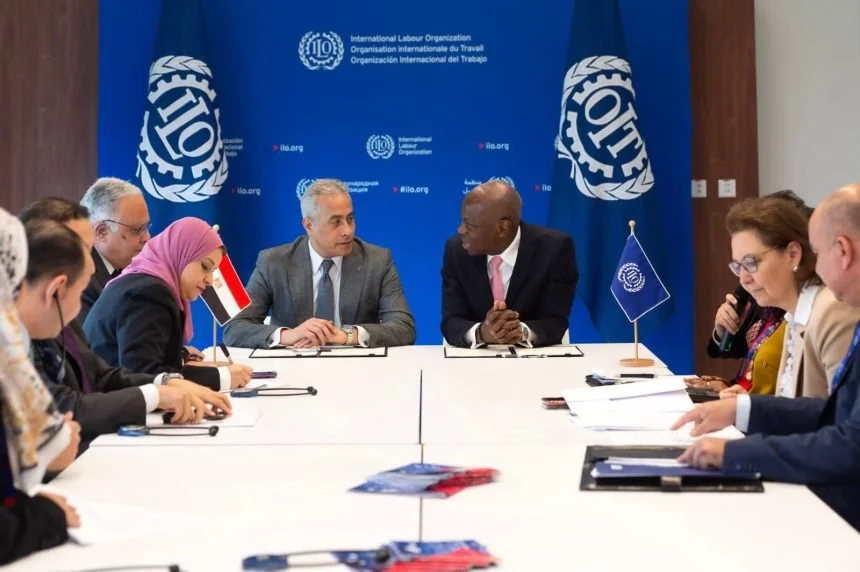
Overview
The International Labour Organization (ILO) is a United Nations agency that promotes international labour rights and social protections for workers across the globe. Currently, 187 states are members of this specialized UN agency, as the ILO is an essential player in coordinating governments, employers, and workers in setting international labor standards and developing policies that prioritize inclusive economic development. Protecting vulnerable populations from poor working conditions and finding methods of protection within global financial systems is a key role of the ILO.
Topic 1: Informal Economy/Informal Workers
The first topic addresses the informal economy and informal workers. A significant portion of the global workforce operates outside formal employment definitions, and functions without legal protections, formalized contracts, or access to social safety nets. Informal economies make up a significant portion of the entire economy, especially in developing countries. Informal workers can include street vendors, domestic workers, and day laborers, all of which often face income instability and unsafe working conditions. Delegates must navigate pathways to improve conditions for informal workers while considering challenges in regulation, taxation, and worker protection.
Topic 2: Debt Trap in the Global South
The second topic focuses on debt traps in the Global South. Many developing countries face mounting debt burdens, where high-interest loans and unfavorable lending conditions can trap countries in cycles of dependency, limiting their ability to achieve long-term growth. High levels of debt repayment can limit government spending on essential areas such as social services, like health, education, and infrastructure. As a result, inequalities can be reinforced and perpetuated, pushing more workers into informal employment. Delegates will have to balance addressing the structural causes behind the informal economy while providing equitable and sustainable solutions to promote economic development, while protecting workers’ rights.