
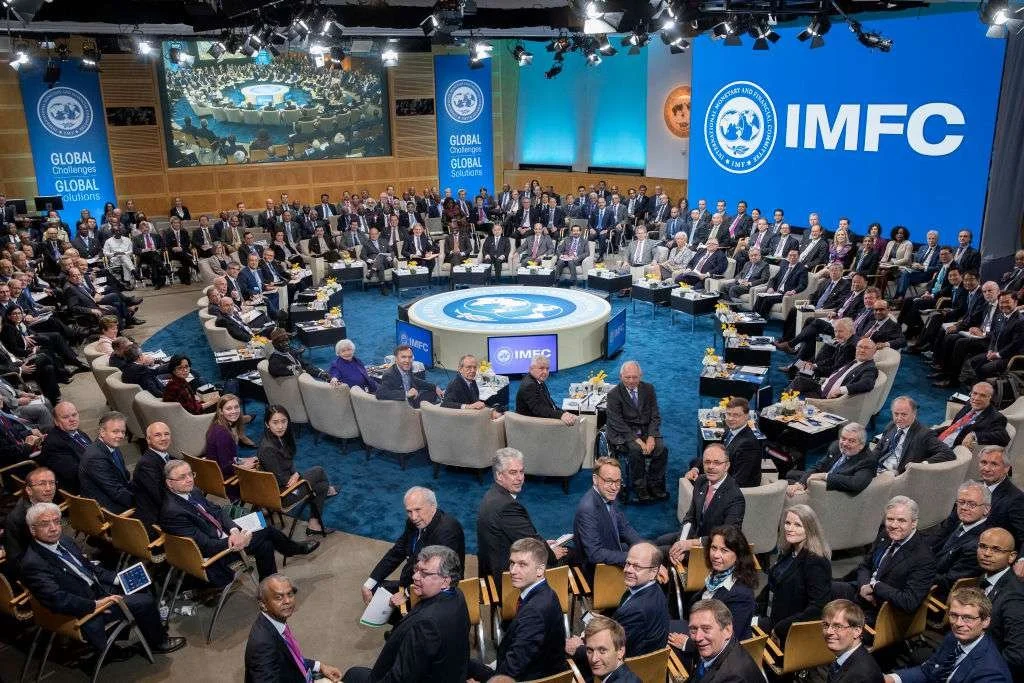
Overview
The International Monetary Fund (IMF) is an international financial institution that works to promote global monetary cooperation, facilitate international trade, and encourage sustainable economic development. Made up of 191 member countries, the IMF provides services that range from financial assistance to monetary policy guidance. The IMF is also involved in surveying the economic environments of its member countries to advance solutions that increase capacity development and reduce poverty. Through lending programs, the IMF also plays a key role in responding to financial crises and supporting member countries that face payment issues.
Topic 1: Global Debt Crises in Developing Countries and Sustainable Restructuring Mechanisms
The first topic addresses global debt crises in developing countries and sustainable restructuring mechanisms. Many developing nations are facing rising levels of debt due to economic shocks, changes in commodity prices, and the current global market instability. However, as these debt burdens grow, countries struggle to fund essential social services like healthcare and education. Currently, solutions are limited to temporary relief efforts such as debt restructuring as long term solutions require complex negotiations between governments, private creditors, and international institutions. Delegates will have to balance creating sustainable and equitable debt restructuring strategies while considering the diversity of economic conditions in affected countries.
Topic 2: IMF Austerity Policies
The second topic focuses on IMF austerity policies. The IMF has historically offered loan conditions, also known as austerity measures, that require borrowing countries to reduce their government budget deficits to restore financial stability and ensure repayments to the IMF. However, this can include reducing government spending on social services and increasing taxes, which have significant consequences on politics and local citizens, particularly in countries of lower socio-economic status. Delegates will have to investigate the role of austerity measures in IMF programs and their impacts, as well as explore alternative approaches to economic stability in recipient countries.