
Overview
This is a novice committee, it is recommended that delegates who are new to Model UN compete in this committee.
This committee will function as a traditional crisis committee, with an emphasis on teaching foundational MUN crisis skills. The committee will function on a two-pad note system, where delegates will be given two legal notepads to write their crisis notes on, and the backroom takes one pad per cycle. Each of the two pads should be filled with notes addressed to one external contact, such as a mother, spouse, or powerful relative. The note cycle duration will vary depending on staffing and the speed of committee debate. On average, it will take 30 minutes to process one pad and collect the second. Crisis updates will take place interspersed with committee, likely coinciding with the note-collections.
Topic: Guangxu Emperor’s Cabinet
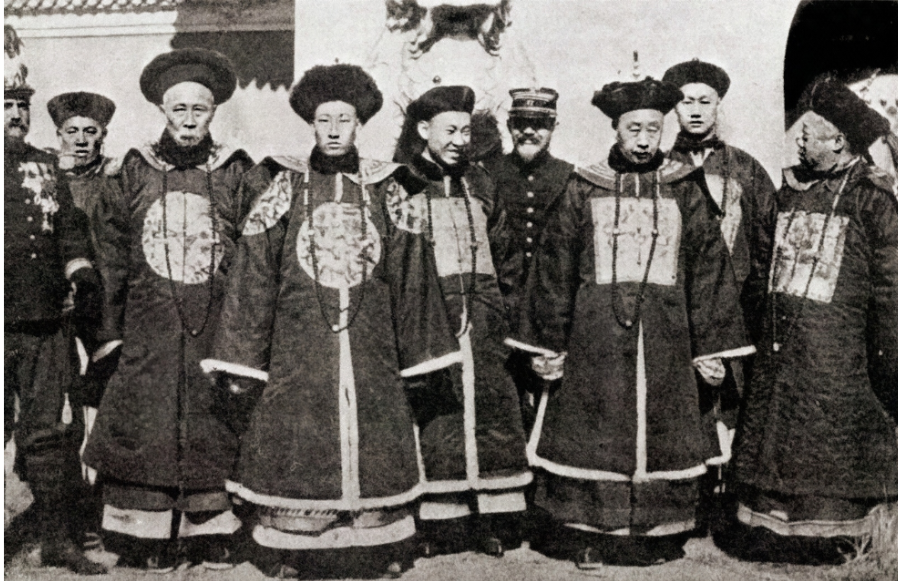
Entering the late 19th century, the Qing Dynasty faces mounting internal and external pressures. Foreign powers have forced unequal treaties upon China, carving out spheres of influence and undermining the empire’s sovereignty. Meanwhile, internal rebellions and economic difficulties have weakened the authority of the imperial government. Many officials believe that China must modernize in order to survive in a rapidly changing world dominated by industrialized powers. The young Guangxu Emperor has emerged as a supporter of the reform, advocating for changes to China’s education system, military, and government institutions.
Yet these reforms face fierce resistance within the imperial court. Powerful conservative forces, especially those aligned with the formidable Empress Dowager Cixi, fear that rapid modernization could destabilize the empire and threaten their own influence. Reformers and traditionalists now clash in a struggle for the future of China. Advisors, officials, and political figures must decide whether to embrace the change or defend the traditional structures that have governed the empire for centuries. Every decision carries enormous consequences, as failure could invite further foreign domination or internal collapse. Will bold modernization save the Qing dynasty, or will internal resistance doom the emperor’s reforms before they can take action?