
Overview
This is a double-delegate committee.
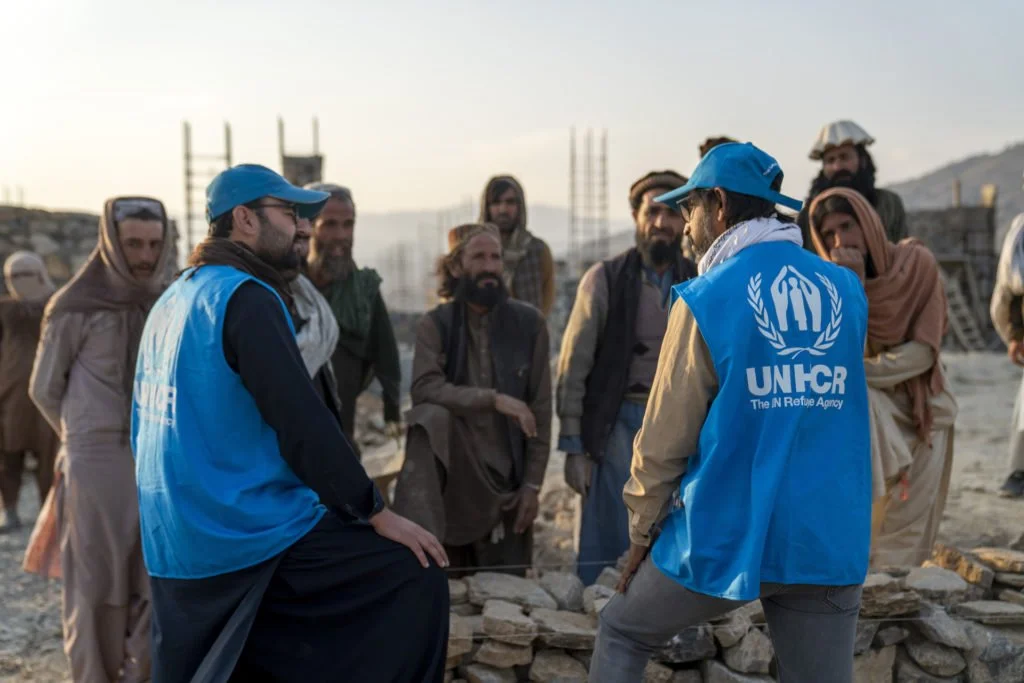
The United Nations High Commissioner for Refugees (UNHCR) is a subsidiary organ of the United Nations that focuses on protecting and supporting refugees, or those who have left their country due to wartime or persecution. Some of the essential services that the UNHCR does is providing aid such as shelter, food, and water, and finding solutions for resettlement either back in the original country or abroad. After an emergency crisis, such as a war breaking out or a major natural disaster, the UNHCR responds with supplies and helps establish refugee camps. Beyond assistance, UNHCR also advocates for the rights and dignity of refugees across the world. UNHCR will be a double-delegation committee, so two delegates will jointly represent their assigned countries.
Topic 1: Preventing Exploitation and Human Trafficking Within Refugee Populations
The first topic addresses preventing exploitation and human trafficking within refugee populations. When fleeing from persecution, conflict, or disaster, many displaced people face not only a change in environment but are often stripped of basic necessities or legal status. The vulnerability of refugees makes them a favorable target for human traffickers. Many avenues of trafficking occur from economic exploitation to a lack of legal protections. Delegates will have to create solutions that address the legal and structural barriers that endanger refugees in their already perilous journeys.
Topic 2: Legal Recognition and Protection of Climate Refugees
The second topic addresses the legal recognition and protection of climate refugees. Climate change has led to an exponential increase in the amount and severity of natural disasters such as floods, earthquakes, and wildfires. This has led to a massive influx in displaced populations. However, official legal recognition has yet to be instated under international law and as a result many climate refugees are unprotected from being returned to their home countries or lack access to basic housing. Delegates will have the opportunity to help create legal frameworks to formally acknowledge climate refugees as well as provide solutions to address core issues they face.