Overview
This is a novice committee, it is recommended that delegates who are new to Model UN compete in this committee.
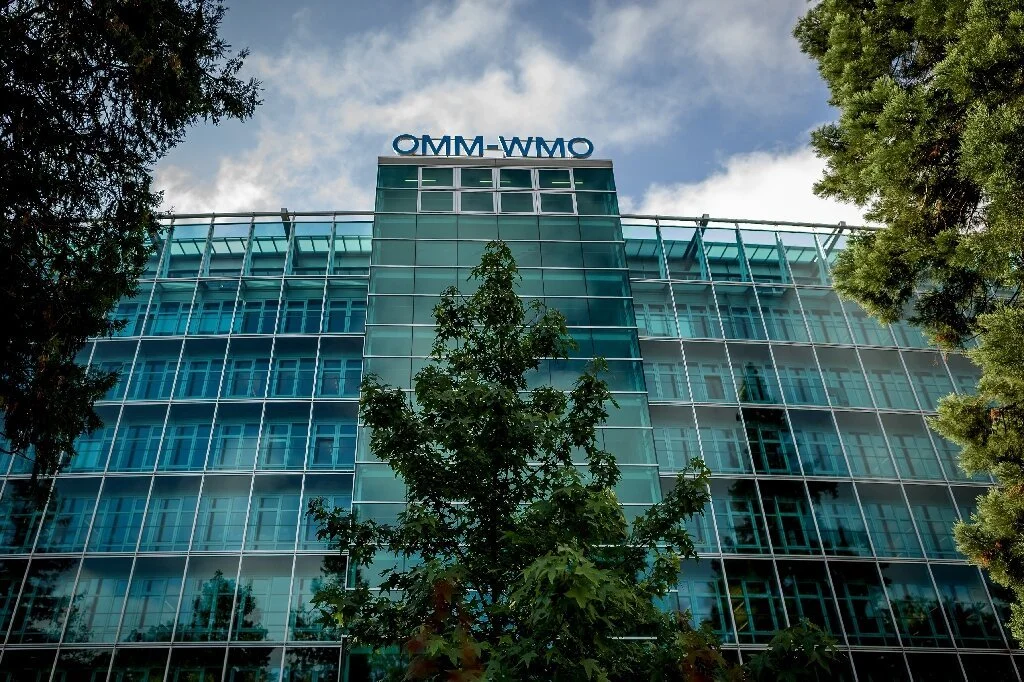
The World Meteorological Organization (WMO) is a specialized agency of the United Nations responsible for coordinating international efforts on weather, climate, hydrology, and related environmental sciences. The WMO facilitates cooperation on data collection and forecasting systems as well as playing a central role in monitoring the conditions of the atmosphere and disaster risk reduction. One of its core priorities is advancing the Early Warnings for All initiative (EW4All), which aims to ensure that every person on Earth is protected by early warning systems. In the WMO, delegates will create solutions to improve global preparedness for extreme weather events in an era where climate change is accelerating at a rapid rate.
Topic 1: Expanding Global Early Warning Systems Under the Early Warnings for All (EW4All) Initiative
The first topic focuses on expanding global early warning systems under the EW4All initiative. Early warning systems are essential tools that predict risks such as storms, floods, and heatwaves before they occur. While many developed countries have advanced warning infrastructures, many regions in the Global South remain without reliable access to these systems. This disparity leaves certain populations at higher risk of loss of life and economic damage. Delegates must develop strategies that expand technological capacity, improve communication networks, and ensure warnings are accessible for vulnerable states.
Topic 2: International Coordination on Severe Weather Monitoring and Hazard Classification Systems (storms, cyclones, heatwaves, floods)
The second topic addresses international coordination on severe weather monitoring and hazard classification systems. Around the world, there are inconsistencies in how different countries and agencies monitor, classify, and respond to severe weather events, often using varying standards to define and measure extreme weather events. These discrepancies can create challenges in communication, preparedness, and effectiveness of response efforts. As climate change increases the frequency and intensity of such hazards, the need for standardized systems becomes more pressing. Delegates will need to develop solutions that improve data sharing practices while protecting sovereignty as well as strengthen global coordination, while ensuring that technological advancements are accessible and equitable across regions.