
Overview
This is a double-delegate committee.
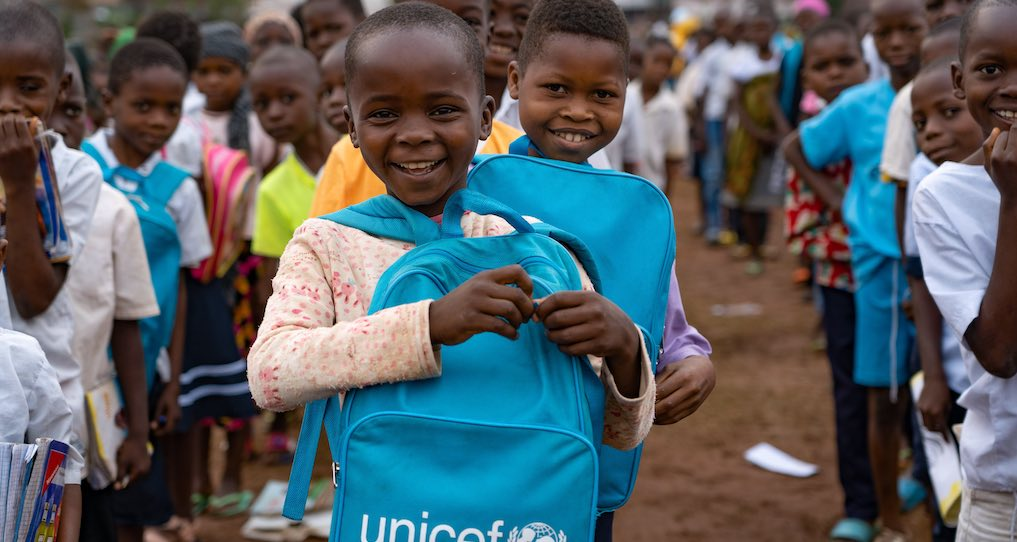
The United Nations Children’s Fund (UNICEF) is the UN agency responsible for protecting children’s lives and rights and embarks on humanitarian and developmental aid across the world. UNICEF is the primary agency that implements the Convention on the Rights of the Child, an international treaty that defines and defends the rights of children. The work of UNICEF ranges from emergency relief to immunization clinics. UNICEF also addresses more intersectional issues, such as gender-based discrimination and the improvement of maternal health. In this committee, delegates will specifically work on advancing UNICEF’s commitment to the rights of quality education for children around the world. UNICEF will be a double-delegation committee, so two delegates will jointly represent their assigned countries.
Topic 1: Addressing the Rights of Children to Education in Global Conflict
The first topic will address the rights of children to education in global conflict. With the global rise in international and domestic conflicts, increasingly, children are being pulled away from basic rights to education. Even though an international shift towards prioritizing primary education has happened, some children are still falling through the cracks. As a result of warfare and instability, not only are critical educational infrastructure like schools, teachers, and supplies limited or unavailable, but students are often more focused on survival and security. In wartime, education can serve as a haven from constant chaos and bring a sense of normalcy. Delegates will attempt to balance providing opportunities for these children through education and prioritizing their well-being amidst warfare.
Topic 2: Evaluating "Learning Poverty" during Globalism's Decline
The second topic will address “learning poverty”, defined as the inability to read or understand a simple text by age ten. With the current era of globalization, historically impoverished countries are struggling to prioritize investment in educational infrastructure. COVID-19 also significantly worsened educational gaps due to widespread school closures, lack of access to digital tools, and loss of school-based services like free meals and counseling. Delegates will have to navigate socioeconomic divides across communities and countries, and develop sustainable solutions to investing in foundational literacy skills.