
Overview
The United Nations Office on Drugs and Crime (UNODC) is the branch dedicated to countering global drug problems such as addiction, overdose and drug trafficking, as well as fighting organized crime, corruption and terrorism. UNODC takes action to stop illicit activities, and works with the broader UN to create actionable steps to help counteract the root causes of drug and crime problems globally. They deploy global networks of law enforcement officers alongside doctors and social workers to help keep communities safe from drug-related issues. They also do a lot of investigative work in order to counteract corruption and promote fair and equal application of justice, as well as effective opportunities for rehabilitation.
Topic 1: Opium Trade in Southeast Asia
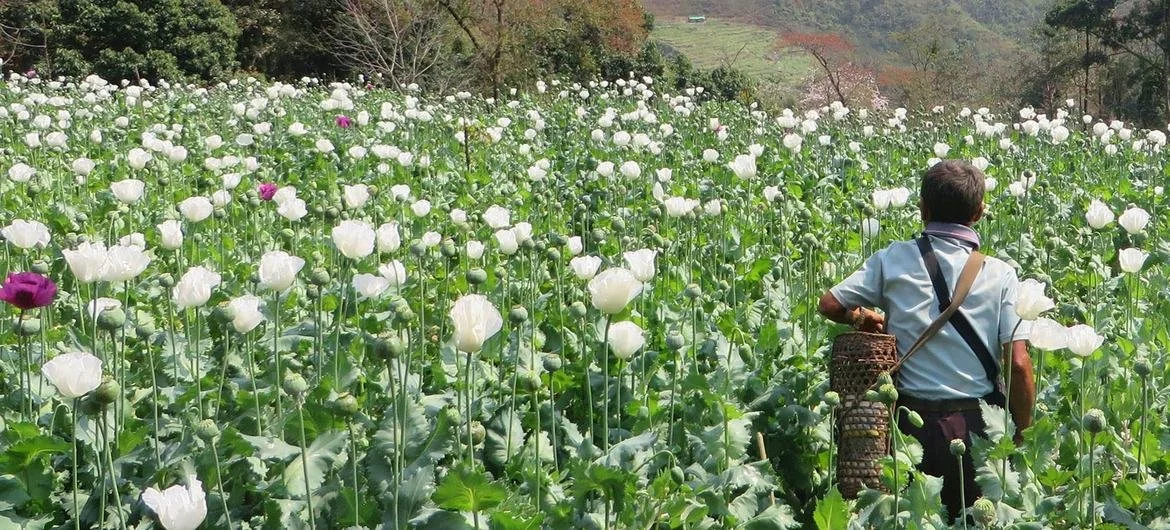
The first topic will be stopping the flow of opium in Southeast Asia. The focus of this committee will be on opiates, a type of drug derived from the opium poppy plant, which is known for being highly addictive. Opioid addiction is a large problem globally, yet global opium supply is sourced from a few concentrated areas, mainly Myanmar and Afghanistan. This committee will center around the Asian Opium trade and potential methods of loosening the grip it has on the economy there. Delegates will have to consider the current lack of economic alternatives these countries have, as well as what the potential fallout would be of cutting off this supply, so detailed and considerate resolutions will be required!
Topic 2: Use of Drugs in Rehabilitation
The second topic will be medicinal uses of opioids, and managing the costs and benefits of their use. Opiates can be used medicinally, and are often used in controlled amounts in rehabilitation clinics to fight withdrawal symptoms. This practice is somewhat controversial, so delegates will have to explore the medical uses of opiates and ways to protect people from addiction and overdose. Additionally, opiates are used in other situations, such as painkillers for people in intense pain, but this can often be a gateway for misuse and addiction. Lastly, some opioids are used in end of life care, when the risk of addiction is offset by the desire to minimize pain for those in critical condition. The committee will analyze potential ways of regulating these uses in order to promote only safe and effective use of opioids.
The Dais
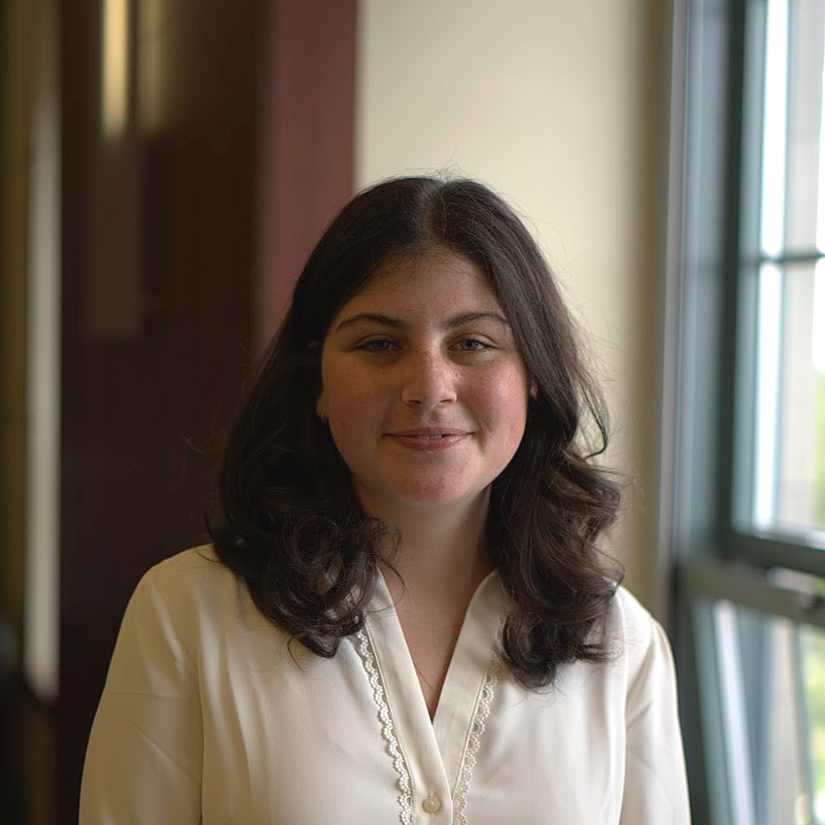
Orly Charrabé - Chair
Orly Charrabé (she/her) is a freshman at Boston University majoring in International Relations on the Pre-Law track. Originally from Westchester, New York, she is thrilled to serve as the Chair for the United Nations Office of Drugs and Crime (UNODC) at BosMUN XXV.
Having participated in Model UN throughout high school, Orly continued her involvement at BU. Outside of MUN, she is passionate about music—discovering albums, playing instruments, and seeing live shows. She enjoys exploring new places and cultures but is equally happy reading a good book, always with a coffee or matcha nearby.
As a former BosMUN delegate, Orly encourages participants to dive deep into research, get creative with solutions, and promote collaboration. She emphasizes that above all, the conference is a fun learning experience, and advises delegates to keep an open mind to connect with others. Orly looks forward to ensuring delegates have the best possible MUN experience.
Contact: orlycha@bu.edu

Medina Salymbekova - Vice Chair
Medina Salymbekova (she/her) is a junior at Boston University majoring in International Relations and minoring in Business Administration. Originally from Kyrgyzstan, having also spent time in Moscow, she is excited to serve as the Vice Chair for the United Nations Office of Drugs and Crime (UNODC) at BosMUN XXV.
Her interest in global environments led her to Model UN. Her professional experience includes international project management between Kyrgyzstan and South Korea. On campus, she is involved with the BU Journal of History, Soviet Union history research, and peer mentorship. In her free time, she enjoys walking around Boston with headphones and baking.
Medina is especially looking forward to watching first-time delegates grow and hearing unique solutions. She believes the conference is the best place to try out bold ideas and learn through experience, and aims to make the committee a welcoming, engaging space where everyone feels comfortable collaborating and having fun.
Contact: medi@bu.edu