
Overview
This is a novice committee, delegates with less Model UN experience are welcome and encouraged. To promote a beginner-friendly environment there will only be one topic.
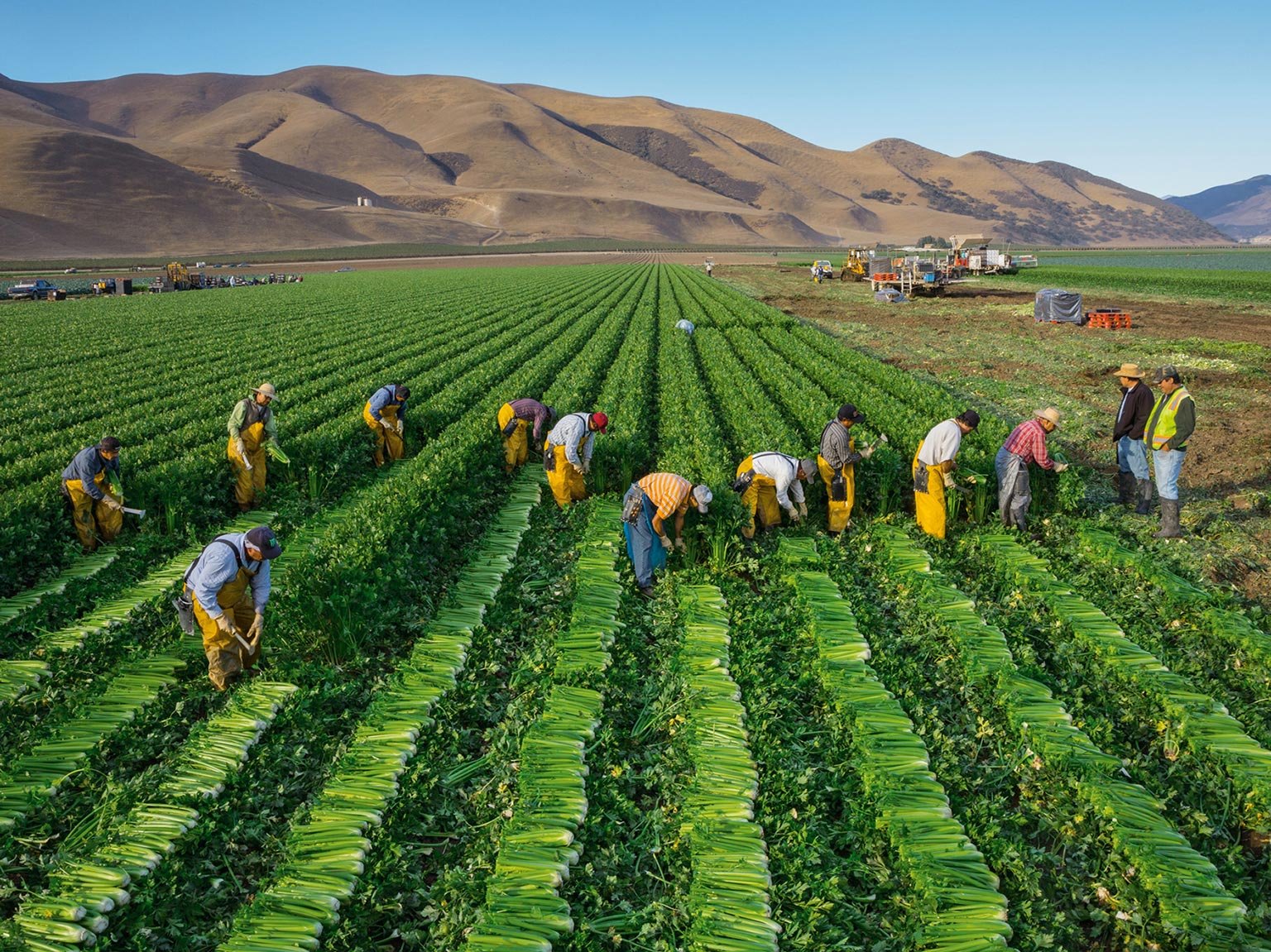
The International Fund for Agricultural Development, founded in 1977, is an international financial institution and specialized agency of the United Nations committed to transforming agriculture to eliminate poverty, hunger, and malnutrition for poor rural communities in developing countries. IFAD is unique for it is the only multilateral development organization that exclusively focuses on rural economies and food security. With 180 member states, IFAD often funds initiatives to improve resource management, improve infrastructure, train and educate farmers, and build resilience against climate change. In this committee, delegates have the opportunity to pursue many of the efforts of IFAD through the increasingly relevant topic of digital innovation in agriculture
Topic: Digital Innovation in Agriculture
Digital innovation in agriculture stands as an opportunity to improve food production and thus address global food insecurity. Technologies such as precision farming, satellite imaging, sensors, and automated irrigation systems can make farming more efficient and sustainable when adopted by farmers and governments in the agricultural sector by reducing waste and increasing crop yields. These tools are especially important as climate change, land degradation, and population growth impose new challenges on traditional agriculture. Access to such technologies is currently far from equal, as small farmers in developing nations lack the funds, infrastructure, and training required to utilize them. This gap can increase existing inequalities between countries and farming communities. In this committee, delegates will examine how limited infrastructure, technological access, and a lack of education affect agricultural development and work towards developing solutions that increase access to these tools, improve the livelihoods of rural communities, and support long-term sustainable farming.