
Overview
This is a double-delegate committee.
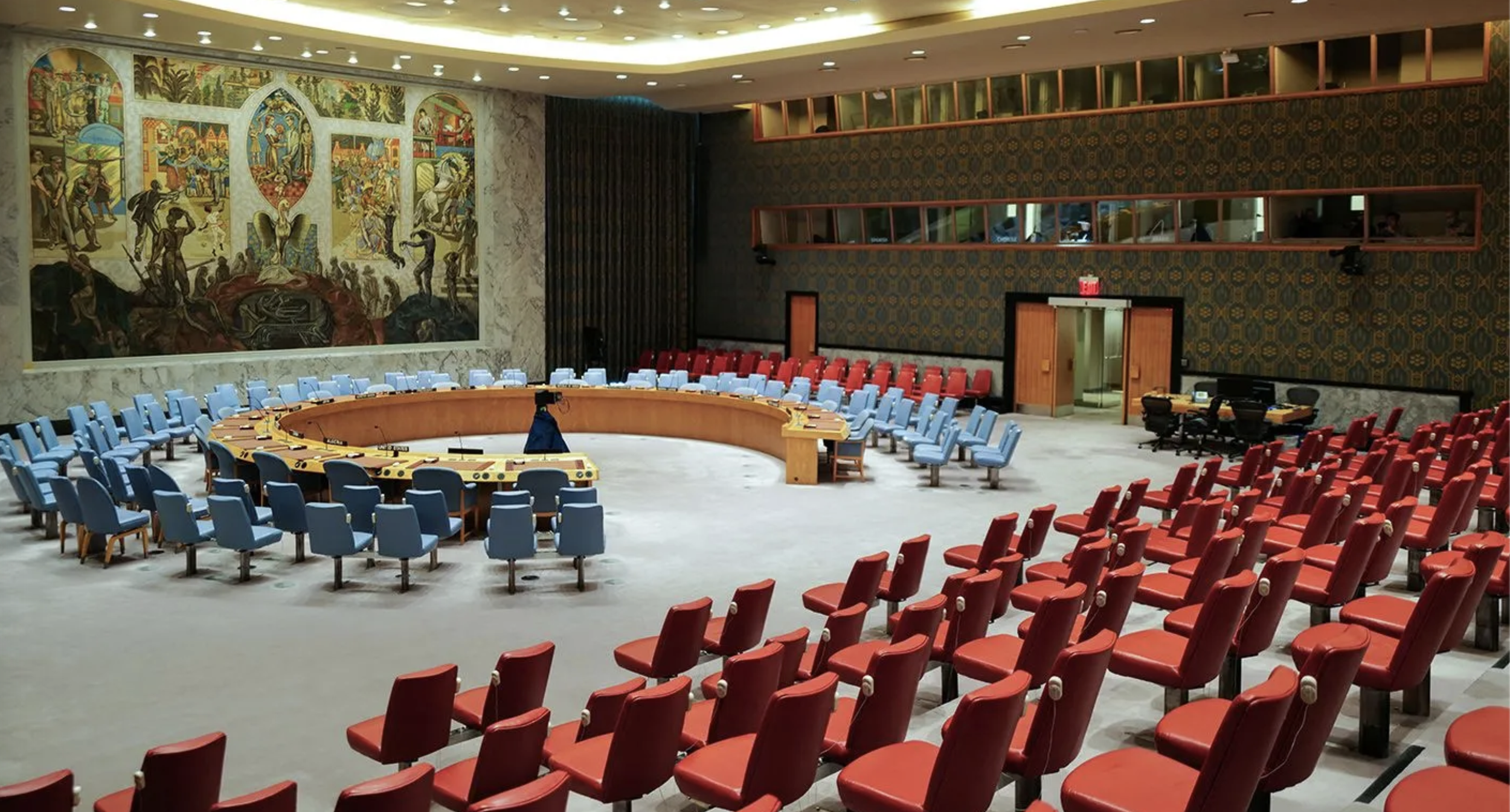
The United Nations Security Council (UNSC) is the most powerful body in the United Nations, made up of five permanent members and ten non-permanent members elected for two-year terms. The UNSC was established in 1945 after World War II, replacing the League of Nations. The UNSC is responsible for maintaining international peace and security and addresses conflicts through diplomacy, mediation, and negotiation. Unlike the General Assembly, the UNSC has the authority to issue binding resolutions and enforce them through any means necessary, including sanctions, peacekeeping missions, and military action. Since its creation, the UNSC has intervened in conflicts around the world to counter threats to peace and security. In this committee, delegates will first address the crisis at hand. Then, they will transition into the General Assembly procedure to develop a long-term solution.
Myanmar (2021—2022)
Since gaining its independence in 1948, Myanmar has been in a continuous civil war. Insurgent groups and military rule have put the country into turmoil, preventing the establishment of a stable democratic system. Despite brief periods of reform, progress towards democracy remains fragile. In 2021, a military coup abruptly ended Myanmar’s democratic transition, sparking protests across the nation. The police and military responded to these peaceful protests with extreme violence, committing human rights abuses that include killings, arbitrary arrests, and suppression of free expression. The Rohingya, a Muslim minority group, face systematic persecution. Many have fled the country to escape violence. As violence continues, various international organizations have condemned the actions of the military junta and begun investigating Myanmar for crimes against humanity. However, they have been unable to put an end to the violence and restore democracy in the nation. In this urgent humanitarian crisis, delegates must take action to promote accountability, protect civilians, and establish lasting peace and stability in Myanmar.