

Overview
As the Capitalist West and Communist East push the globe closer and closer to nuclear extinction after the Korean War, much of the Global South is left caught between the crossfire, but will not stay content with their role as proxies for the competing hegemons. Determined to shrug off the weights of all colonialism and imperialism, whether from NATO or the Warsaw Pact, delegates from across Asia, Africa, and beyond meet in Bandung, Indonesia to create a new, non-aligned, movement. Delegates must set aside their differences, whether conservatives or leftists, Westerners or Easterners, capitalists or socialists, to establish a new, more representative forum away from the influence of any imperial powers to protect your independence.
Topic: Establishment of the Non-Aligned Movement, 1955
The primary focus of this conference is to lay the foundations for what would become the Non-Alligned Movement. Though the formal movement (NAM) would not be established for a few years to come, its roots were planted throughout the Bandung Conference. The general topic before you is the birth of nonalignment - the refusal of your emerging African and Asian states to assimilate into the global binary. Bandung’s attendees hoped to reject both Western and Soviet control, thereby creating a united front that would instead be dedicated to peace, development, and collective strength amongst those who had fallen individually to the superpowers of the past. Together, these leaders aimed to pave a road to a world that would allow formerly colonized peoples to determine their own destiny without needing to compromise their beliefs, economies, or sovereignties to appease greater forces
The Dais
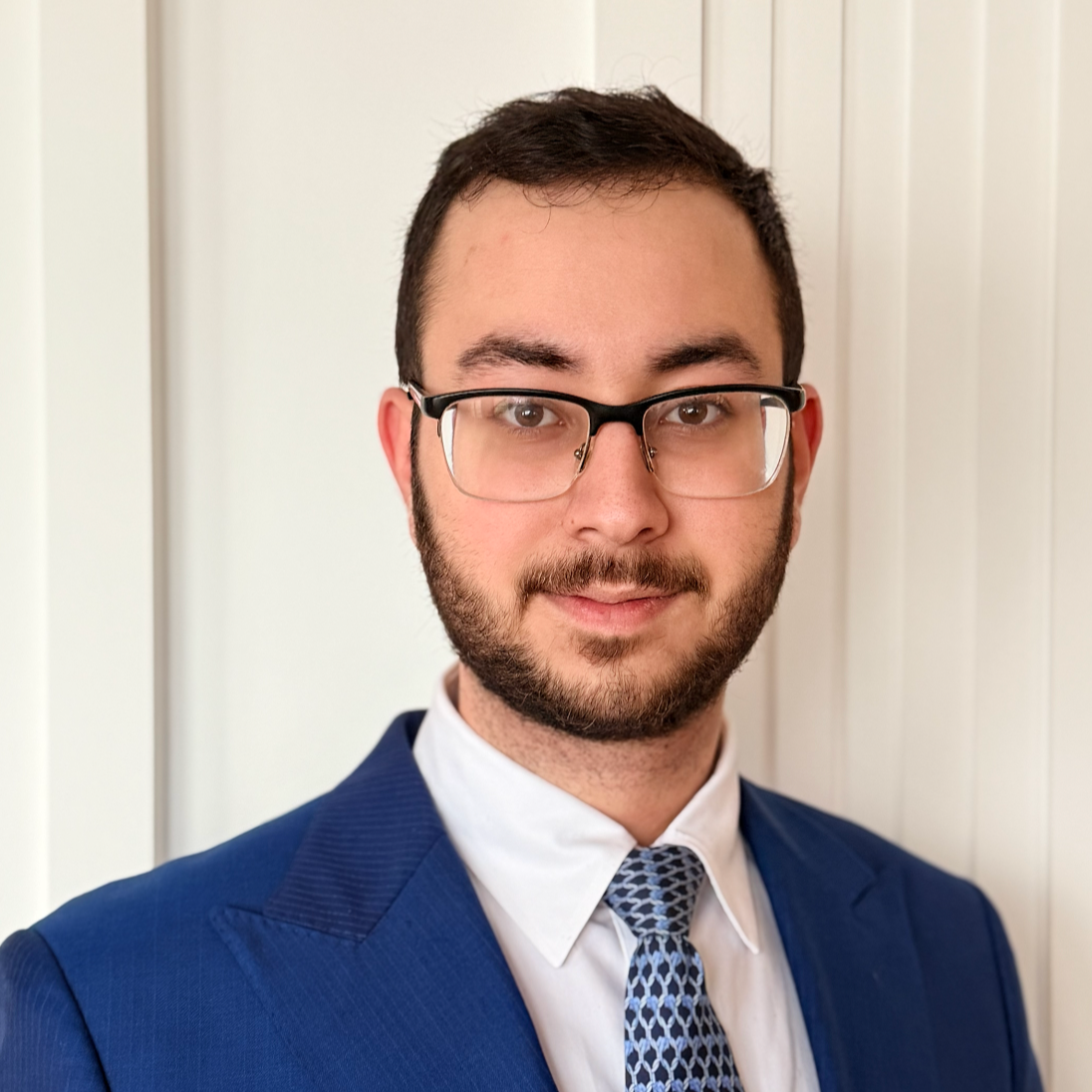
Rafael Allahverdiyev - Chair
Rafael Allahverdiyev is a third-year international student from Baku, Azerbaijan, double majoring in Philosophy & Politics and Economics at Boston University. He finds the major themes of the Bandung Conference—collaboration, sovereignty, and economic development—prevalent across all his academic disciplines.
He emphasizes that while the modern context differs, the struggles against post-colonial influence and the rise of neocolonial powers are still fought worldwide. Therefore, the takeaways from the Bandung Conference committee will remain highly relevant for delegates in the years ahead.
Rafael looks forward to seeing the unique experiences and perspectives delegates will bring to the conference. He is excited to hear their impassioned arguments as they follow in the footsteps of the great leaders they will be representing.
He wishes all delegates the best of luck and encourages them to look forward to the conference with excitement and joy. Rafael invites anyone with questions to reach out to him via email.
Contact: rverdi@bu.edu
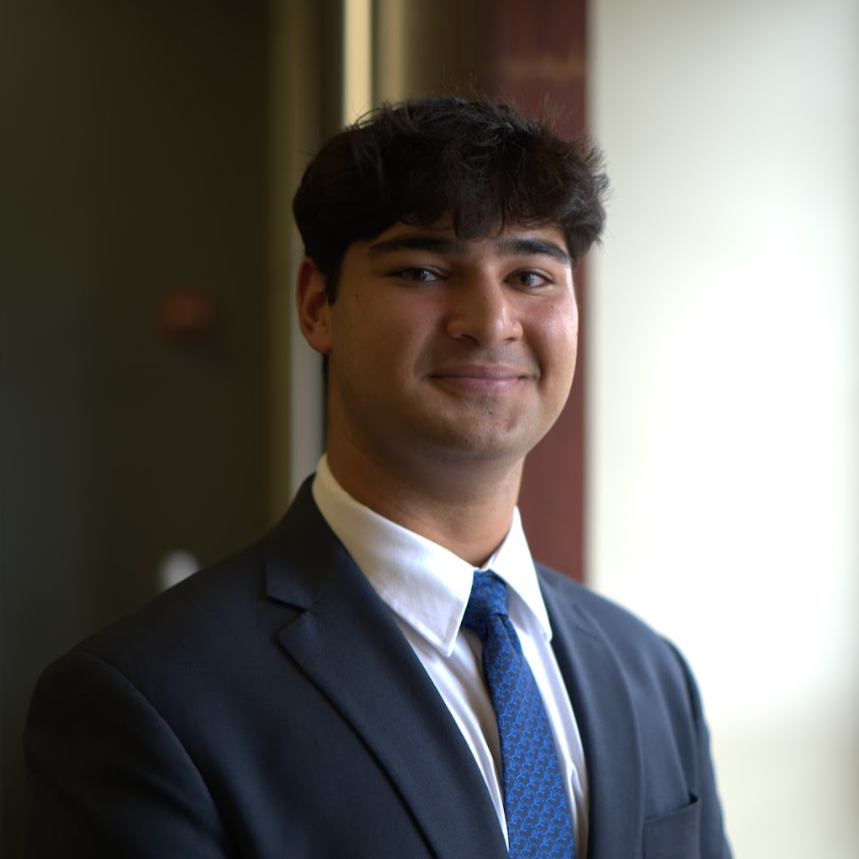
Vijay Shah - Vice Chair
Vijay Shah is a second-year student at Boston University, originally from Massachusetts but now residing in Providence, Rhode Island. He is studying Business Administration with a dual concentration in Finance and Information Systems through the Questrom School of Business.
Vijay is actively involved in the Questrom School of Business student government, where he serves as the Community Service Co-Director. His personal passions align with the values of his committee; he loves to volunteer, swim, and explore the various offerings of the city of Boston.
He notes that the core values of the Bandung Conference—collaboration, sovereignty, and shared economic development—strongly resonate with his work in community service. He is passionate about connecting people, fostering cooperation, and understanding the impact of economic decisions on communities.
Vijay's closest friends have been involved with BosMUN for years, and he is looking forward to working alongside them to deliver the best experience possible. He wishes all delegates luck and is excited to meet everyone and hear their arguments and unique perspectives throughout the conference.
Contact: vjshah@bu.edu