
Overview
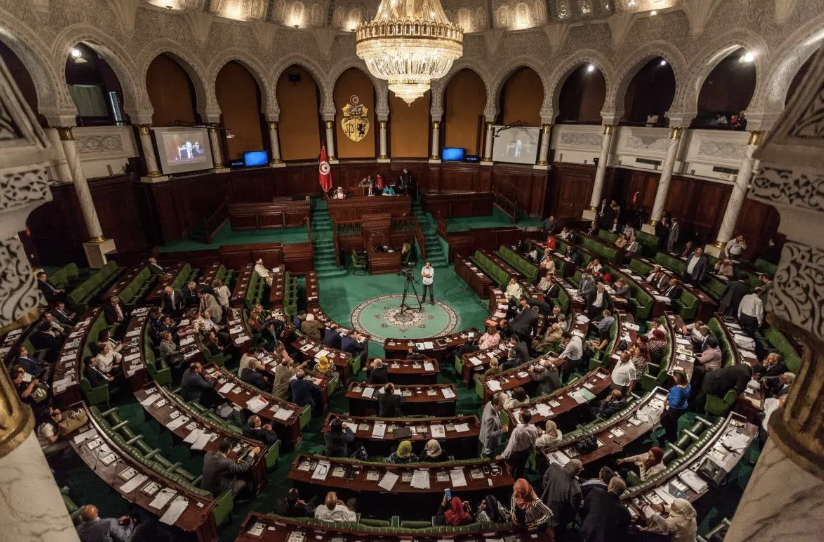
After 23 years of single party rule in Tunisia, Prime Minister Zine El Abidine Ben Ali, better known as just Ben Ali, has finally been deposed after a month of rioting in what is now known as the Revolution of Dignity. These riots, sparked by the self-immolation of an economically struggling young street vendor named Mohamed Bouazizi from Sidi Bouzid in late 2010, sparked the Arab Spring, a series of mass protests, uprisings, and rebellions across the Arab World in response to economic downturn and government repression. On the tail end of political instability, delegates have been chosen by the Tunisan people to give Tunisia a strong constitution, but finding a compromise between newly created parties won’t be easy, with whether Tunisia will have a parliamentary or semi-presidential system, freedom of religion and conciseness, and gender equality, are all top concerns for the country during these trying times.
Topic: The New System of Government—Parliamentary or Presidential?
After decades of authoritarian rule under Ben Ali, Tunisia must decide what kind of political system will best safeguard democracy and prevent a return to dictatorship. Delegates must debate whether the new government should be presidential, parliamentary, or a hybrid system, balancing effective leadership with accountability. Key issues include the distribution of executive power, the role of parliament, term limits, and the mechanisms of checks and balances that ensure no single branch dominates the state.
The Dais

Gracen Lashnits - Chair
Gracen Lashnits is a sophomore at Boston University, double majoring in International Relations and Economics. She maintains a wide presence across campus, including roles as a Dean’s Ambassador, an executive staffer for student government, and a writer/choreographer for student groups.
Although she began Model UN only after arriving at BU, she quickly embraced the activity for its efficient combination of international relations and public speaking. She attributes much of her college learning and fondest memories to her involvement with MUN@BU.
She values Model UN for allowing individuality and diverse approaches within the real-world simulation of diplomacy. She finds unique delegate strategies highly engaging and believes the activity is an amazing opportunity to learn from peers.
Gracen encourages all delegates to approach the Tunisian Constitutional Convention with confidence, especially those newer to MUN. She reminds everyone to capitalize on their individual strengths and looks forward to creating a lively, respectful, and fun environment throughout the weekend.
Contact: gracen13@bu.edu
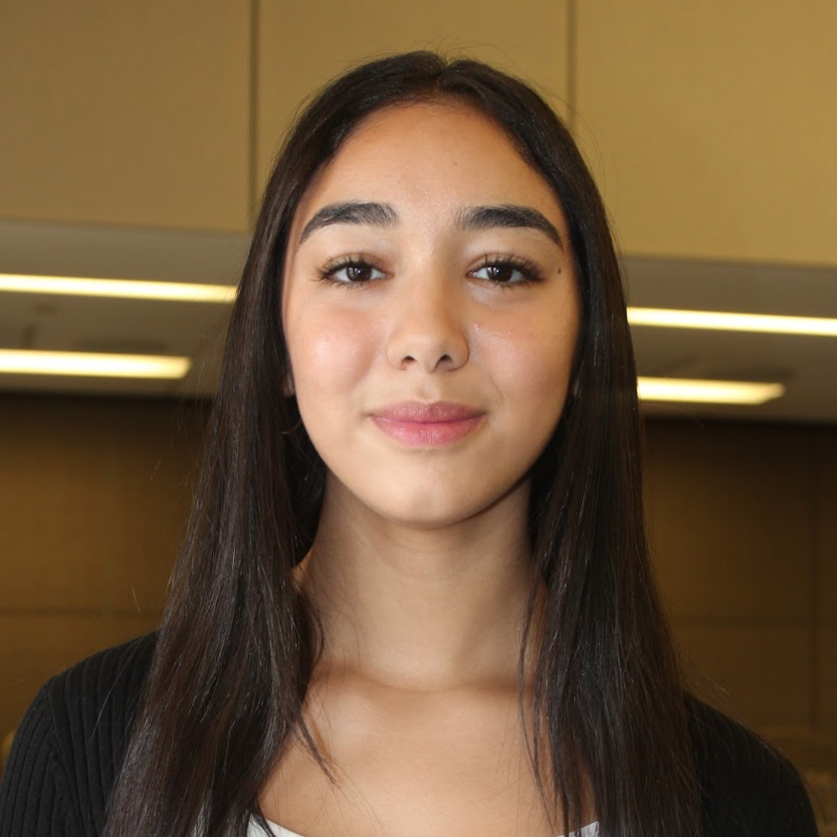
Fatima Baoussouh - Vice Chair
Fatima Baoussouh is a freshman at Boston University majoring in International Relations, originally hailing from Revere, Massachusetts. She is delighted to serve as the Vice Chair for the Tunisian Constitutional Convention, marking her first time in a committee leadership role.
Staffing this conference is a particularly exciting experience for Fatima as she was a delegate at BosMUN herself in high school and hopes current participants have just as much fun. She is also a member of the Model UN travel team at BU, an experience that has greatly helped her develop her public speaking skills.
Outside of her academics, Fatima enjoys taking walks, crocheting, and listening to music, with favorite artists including Tomorrow X Together, Laufey, Rhyu, and Clairo. She is also an avid fan of sweet treats and is always on the lookout for the best ones in Boston.
Fatima’s favorite part of Model UN is developing connections with people at conferences. She encourages all delegates to walk into the Constitutional Convention with confidence, maintain a positive mindset, and enjoy this fun learning experience as they expand their skills and meet new peers.
Contact: fbsh@bu.edu